Applied Crisis Communication At UCF
June 11, 2013 9:35 am | by Jonna Mayberry, Editor | Articles | CommentsIn the early morning hours of Monday, March 18, 2013, University of Central Florida (UCF) administrators received a call indicating that a student had committed suicide. Staff and authorities soon discovered that the deceased student had also planned a campus shooting. While motives are still unclear, UCF’s response to the incident is clearly exceptional.
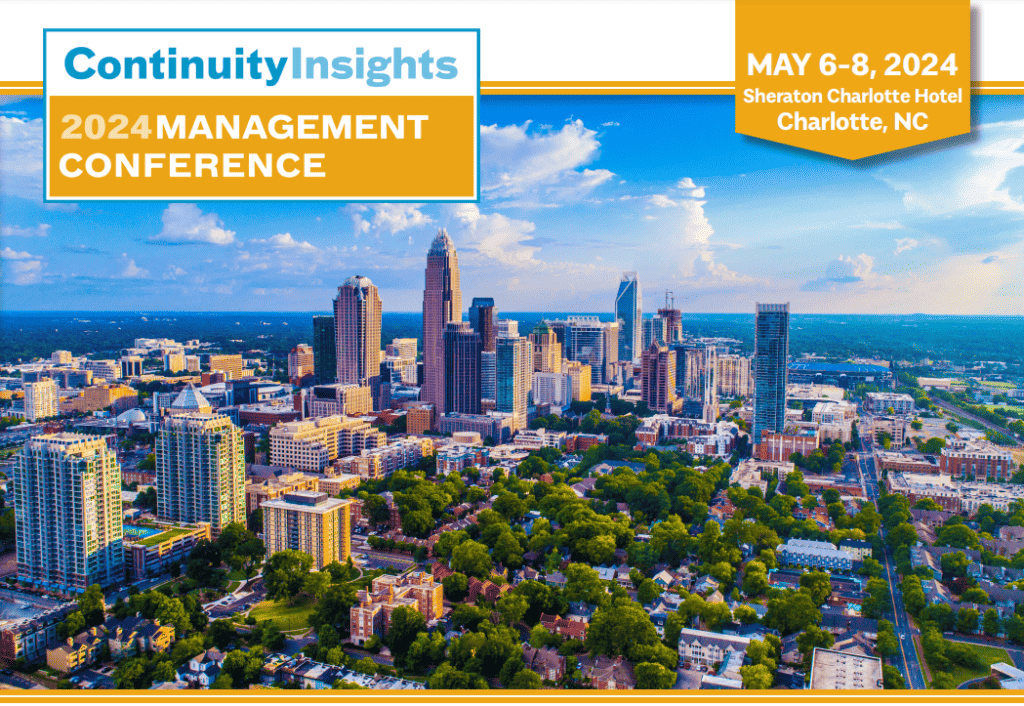
P2: Shots Fired — 2013 Continuity Insights Management Conference
April 29, 2013 10:02 am | by Jonna Mayberry, Editor | Events | CommentsShots Fired: Managing the Operational Risk of an Active Shooter Incident. A plenary session presented by Steven Crimando at the 2013 Continuity Insights Management Conference.
Duty Of Care: Not Just A Travel Issue
April 15, 2013 1:50 pm | by Lisa M. Reshaur, Ph.D. & Lynne M. Silverstein, Manager, PwC LLP, Risk Consulting Services | Articles | CommentsAs one client recently noted, "I don't want my company's name in the news because we were able to fly our employees out of a bad situation, but we left our contractors sitting on the tarmac with no way to evacuate." Thinking about Duty of Care only as the small print at the bottom of your travel itinerary won't be enough when a crisis erupts in a foreign country and you don't have a plan to get your staff out safely.
American Airlines Stumbles On Path To Recovery
October 12, 2012 11:53 am | by DAVID KOENIG & SCOTT MAYEROWITZ, AP Airline Writers | News | CommentsJust weeks ago, American Airlines was working its way through bankruptcy court, on schedule for one of the fastest turnarounds in aviation history. Planes were full. Revenue was pouring in. Then seemingly overnight, American became the butt of jokes from Facebook to late-night TV.
Obama: US Safer, Resilient On 9/11 Anniversary
September 11, 2012 11:21 am | News | CommentsAmericans paused Tuesday to mark the 11th anniversary of the Sept. 11, 2001, terror attacks with familiar ceremony, but also a sense that it's time to move forward after a decade of remembrance. President Barack Obama says the U.S. is safer and its people resilient on the 11th anniversary of the 9/11 terrorist attacks.
2 La. Hotels Contracted To Shelter Workers After Disasters
July 26, 2012 10:27 pm | News | CommentsThe Terrebonne Parish Council has approved contracts with two Houma hotels to shelter essential parish employees after disasters. No matter the final cost, FEMA will reimburse the parish pending certain stipulation.
Last Katrina FEMA Trailer Leaves New Orleans
February 21, 2012 4:55 am | by CAIN BURDEAU, Associated Press | News | CommentsThe last of the once-ubiquitous FEMA trailers has been removed from New Orleans more than six years after floodwalls and levees broke during Hurricane Katrina and caused the city to fill with floodwaters. The Federal Emergency Management Agency said the last trailer was removed Sunday. The agency said on Monday that those living in the trailer moved into their rebuilt home last week. At one point, New Orleans had more than 23,000 FEMA-issued trailers and mobile homes.
Inspiring Change
January 9, 2012 6:46 pm | by Alan Nicol, Executive Member, AlanNicolSolutions | Blogs | CommentsChange comes with resistance. If we are the top dog of our organization or team, we can force change by dictating it. If that isn’t your option or your style, then inspire change by addressing the emotional motivations to change. Logic alone just isn’t reason enough.
Study Aims To Refine & Improve Crowdsourcing For Intelligence
October 18, 2011 9:52 am | by MATTHEW BARAKAT, Associated Press | News | CommentsStatistics have long shown that large crowds of average people frequently make better predictions about unknown events, when their disparate guesses are averaged out, than any individual scholar — a phenomenon known as the wisdom of crowds.
Social Capital
February 21, 2011 5:40 am | by Daniel Hahn | Articles | CommentsIf you want a thorough explanation of what social capital is (and especially if you are a participant in its creation), then I strongly suggest you read Robert Putnum’s book Bowling Alone.
Is Your Team (Truly) Prepared to Respond?
February 18, 2011 9:21 am | by Brian Zawada | Articles | CommentsA recent disruptive event at one of our clients reminded us of the flexibility needed to successfully execute a response in a true disaster. More often than not, documented response and recovery procedures establish a foundation for success, but just as important, achieving response and recovery objectives is driven by the ability of the assigned teams to assess, prioritize, and take action in the midst of confusion and disarray.
Ask the EAB
October 31, 2010 8:00 pm | Articles | CommentsWith the anniversary of 9/11 just passing, I’d like to know what you think we’ve learned and improved based on that experience and, more importantly, what we should have learned or improved but didn’t.
Strategic Crisis Leadership for Continuity Professionals
April 12, 2010 8:00 pm | by Bruce T. Blythe | Articles | CommentsAt the heart of any crisis and business continuity response are strategic decisions that will serve as “defining moments.” These strategic decisions have the critical power to bring you and your organization swiftly toward successful resolution...
Psychological First Aid:
April 11, 2010 8:00 pm | by Terri Howard | Articles | CommentsOften disaster recovery focuses on infrastructure, IT, and financial resiliency. But the reality is people are your business. The purpose of this session is to detail key elements of people support including psychological first aid, family assis...
Virtual Desktop Recovery and Work-at-Home Continuity
December 31, 2009 7:00 pm | by John Jackson | Articles | CommentsI'd like to take a slightly different approach with this article, and introduce a colleague of mine, Dan Dec, who I have asked to be the guest author for this issue. Dan addresses an important topic, the intersection between virtual desktop recovery and work-from-home continuity strategies. Without further ado, here's what he has to say (and you can read more about him at the end of the article)…
Webinar Watch - January/February 2010
December 31, 2009 7:00 pm | Articles | CommentsAsk Anything: Q&A with ConsultantsA companion piece to this issue's special feature on consulting services (see page 14), this webinar puts a cast of consultants on the spot and at the ready to answer your questions.
BCP Book Club
August 31, 2009 8:00 pm | Articles | CommentsBy combining the stories of survivors with research into how the brain works under extreme duress, The Unthinkable tries to bring light into civilization’s darkest moments. Why do we freeze in the middle of a fire? How can we override this instinct? Why do our senses of sight and hearing change during a terrorist attack? Why are most heroes men?
Ready at Work, Not at Home
April 26, 2009 8:00 pm | by Kevin Cassidy | Articles | CommentsA portion of your city has just suffered a major loss of power. Your business continuity plans are in place and you are running the show at work, but are you ready to deal with the issues that will impact your home life? This session will help y...
Predictive Knowledge, Skills, Abilities, and Traits for Effective Crisis Leadership
April 26, 2009 8:00 pm | by Robert C. Chandler Ph.D., Chair Communication Division | Articles | CommentsCrises demand swift and effective leadership; yet there are many challenges in selecting, training, and assessing personnel for the skills and abilities necessary for effective crisis leadership. Crisis leaders are highly specialized managers wh...
From Bourbon Street to Wall Street: Managing the Emotional Consequences of the Financial Crisis, Lessons Learned in Natural Disasters
November 7, 2008 7:00 pm | by Steven M. Crimando and Cynthia L. Simeone | Articles | CommentsLike natural disasters, a sudden financial crisis can result in uncertainty, loss, and anxiety about the future. Much of what is known about the emotional and behavioral response to other types of disasters can be helpful in managing the psychological consequences of the financial crisis. Left unchecked, these consequences can further complicate individual, community, and organizational recovery. Lessons learned and strategies for coping developed in other disasters can be employed in financial crises to mitigate the emotional and behavioral consequences of the situation.
Prepping Your Company for the Baby Boomer Exodus
November 7, 2008 7:00 pm | by Ken Ball | Articles | CommentsThis isn't a story about a pandemic or the hurricane that recently hit Texas, but you can think of the retirement of 76 million Baby Boomers as the equivalent of a human tsunami. It's coming, and many managers are looking for ways to capture and retain intellectual capital as workers born between 1946 and 1964 prepare to retire.
Psychological Elements of Business Continuity Planning, Response and Recovery
May 5, 2008 8:00 pm | by Steve Crimando Managing Director | Articles | CommentsIn the aftermath of a catastrophic event, when technical assets are unavailable or destroyed, it is human behavior that determines the speed and efficacy of disaster recovery efforts. Traditional continuity plans do not adequately take into acco...
Your Employees Be Ready to Return To Work…When You Need Them?
May 4, 2008 8:00 pm | by Gerald Lewis | Articles | CommentsTaking care of people should be a primary component of any contingency or resiliency plan. At times of natural disasters, terrorist activities, or infrastructure disruptions, knowing about an organization’s workforce provides a head start to org...
Ready and Prepared: Your Commitment to Respect, Service, and Safety at Work
May 4, 2008 8:00 pm | by Terri Howard | Articles | CommentsMost companies see the inherent value in efforts to prevent, prepare for, respond to, and mitigate the effects of large-scale catastrophic events. The best companies emphasize excellence in safety commitment through further involvement with best...
Final Thoughts: A People-Focused Approach
October 31, 2007 8:00 pm | by Ron LaPedis and Rodrigo Naranjo | Articles | CommentsThe list of natural and man-made disasters that businesses have had to contend with has increased dramatically in the last few years. Disruptions resulting from these disasters have rippled across just-in-time supply chains, shaken entire industries, and taken their toll on employee, customer, and partner relations.